Loading tour packages…
Travel GuideAugust 6, 20261 min read
Switzerland by Rail: The Unhurried Route
The trains run on time; the point is everything outside the window. A route for travellers who understand that the journey is the destination's best exhibit.
Switzerland is the one country where the transport is the attraction. The trains are punctual to the minute and engineered like watches, but that is not why you ride them. You ride them because the window does what no viewpoint can: it moves.
Build around one great line
The famous panoramic routes — the high alpine crossings between the lakes and the passes — earn their reputation. Pick one as the trip's spine and let the rest of the itinerary hang from it. Racing to collect all of them in a week converts scenery into homework.
First class on the scenic lines is one of the rare upgrades that changes the experience rather than the legroom: bigger glass, quieter cars, and a seat map you can choose the valley side from. Book the seat, not just the train.
Stay where the trains stop mattering
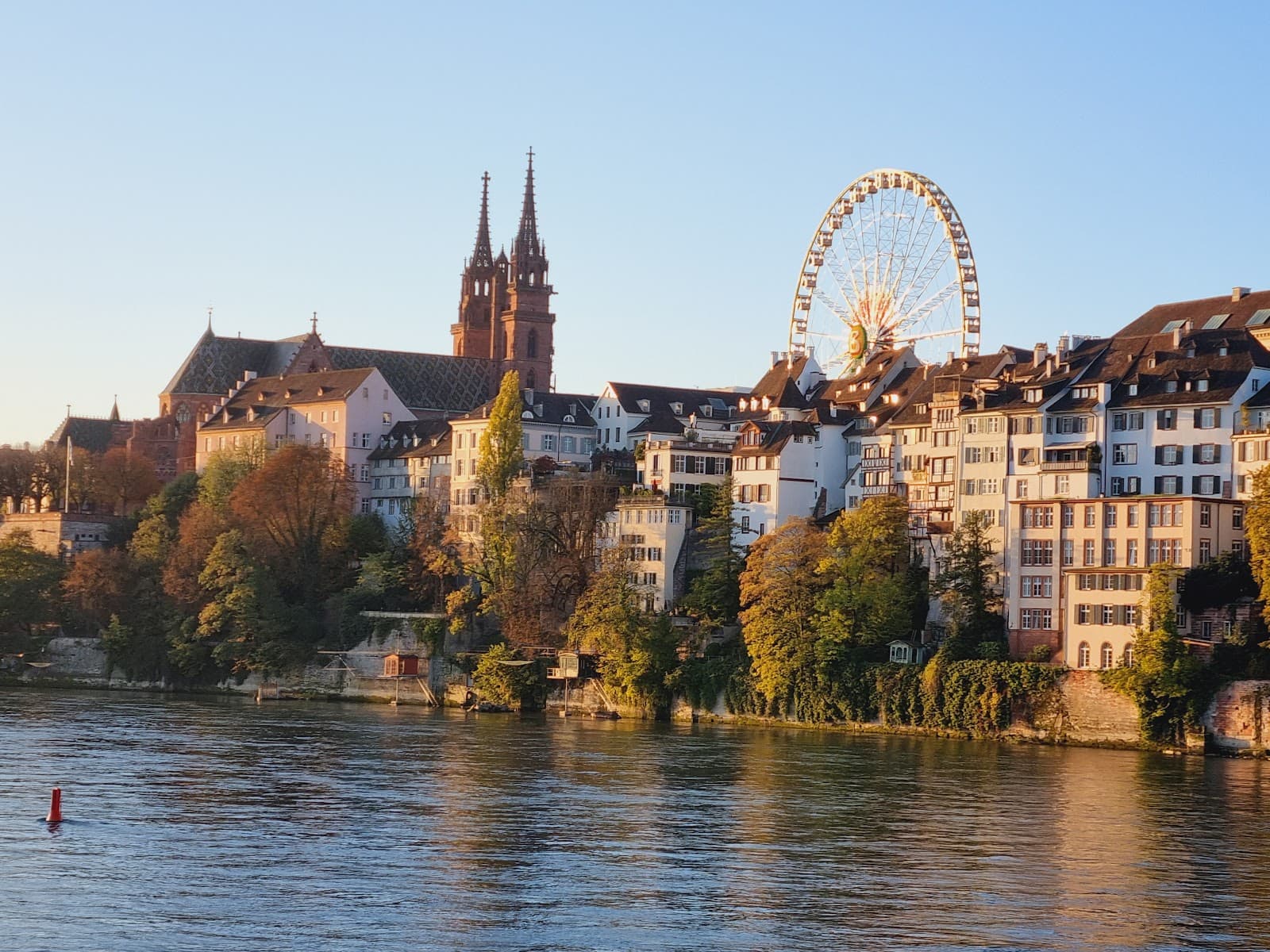
The towns that anchor these lines — lakeside, car-free, or simply small — reward the traveller who stays put. Two nights in one mountain town beats four one-night stands across the country. The evenings are the point: the lake after the day-trippers leave, dinner while the peaks go pink, the particular silence of high places.
The practical graces
Luggage can be sent ahead between hotels — a service so civilised it feels like cheating — leaving you to board with a day bag. Regional passes turn the network into a fixed cost and remove the arithmetic from spontaneity. And the dining car, where it runs, remains one of Europe's great lunches: soup, glass of white, and the Alps performing slowly past the window.
Switzerland does not do urgency. Its railways, mercifully, refuse to either.